

Hidden Gems to Consider for Your College List, Part 6
When beginning the college search process, it can be hard to know where to start. Students and families often default to household-name elite colleges or the ones they see in published rankings.
IvyWise KnowledgeBase
Choosing a College
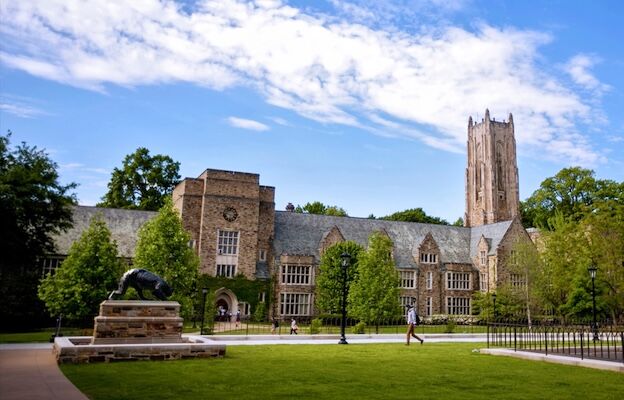
When beginning the college search process, it can be hard to know where to start. Students and families often default to household-name elite colleges or the ones they see in published rankings.

If you’re an aspiring artist planning your college journey, one of the biggest decisions you’ll face is choosing between a traditional art school and an arts program within a college or university.

You did it! After years of hard work — acing your classes, prepping for standardized tests, crafting unique essays, and curating your extracurriculars — colleges have finally said yes. But now, the tables have turned. It’s no longer about you convincing colleges you belong — it’s about them convincing you.

When you’re looking at colleges, you might come across the term “consortium,” which refers to a group of colleges that collaborate to expand the resources and opportunities available to their students. For high school students considering their future college options, it’s important to understand what consortium colleges can offer. Let’s dive into what these consortiums are and highlight some examples to help you see the unique opportunities they provide.

Embarking on the U.S. college application journey as an expat can feel as puzzling as your first day at your new international school — despite your well-developed cultural adaptability, cross-cultural communication skills, and unique global perspective. Having spent my formative years attending an American school in the Netherlands, I felt equally perplexed by the U.S. college admissions process. I was excited at the prospect of living in the U.S. for the first time since I was four years old; however, I was scared to be an ocean away from my family and nervous about how to navigate the process.

Embarking on the college journey feels like stepping into a world full of unknowns. With tests, essays, and recommendation letters swirling around, one important factor often gets pushed to the side — visiting colleges in person. That’s where fly-in programs come in.

You’ve just been admitted to the school of your dreams. You are over the moon, sharing your excitement with your family — until you see the financial aid package. What?! Where did that number come from?

“I got a B in AP Calculus,” a student recently said to me. “I guess I won’t have a shot at my dream schools, since I know colleges automatically reject students who don’t have straight A’s.” This is a conversation I often have with students this time of year. I assured my student that one B on his otherwise flawless transcript does not make it or break it. However, having worked in the admissions office at Columbia University — which has a 4.1% acceptance rate — I’m not naive about the selective review process.

If you surveyed the participants of an average college freshmen orientation, you probably wouldn’t be surprised to learn that the incoming class has a variety of experiences and backgrounds. However, it might be surprising to learn about the growing number of students who chose to take extended time between completing high school and enrolling in a university of their choice.

When it comes to researching colleges, there is certainly not a lack of information available — so much so that it can be overwhelming to figure out which data points are most useful. Numerous ranked lists are published annually, there are websites that provide students’ reviews of colleges, and then there’s my personal favorite, the thick, desktop Bound-For-College Guidebook.